

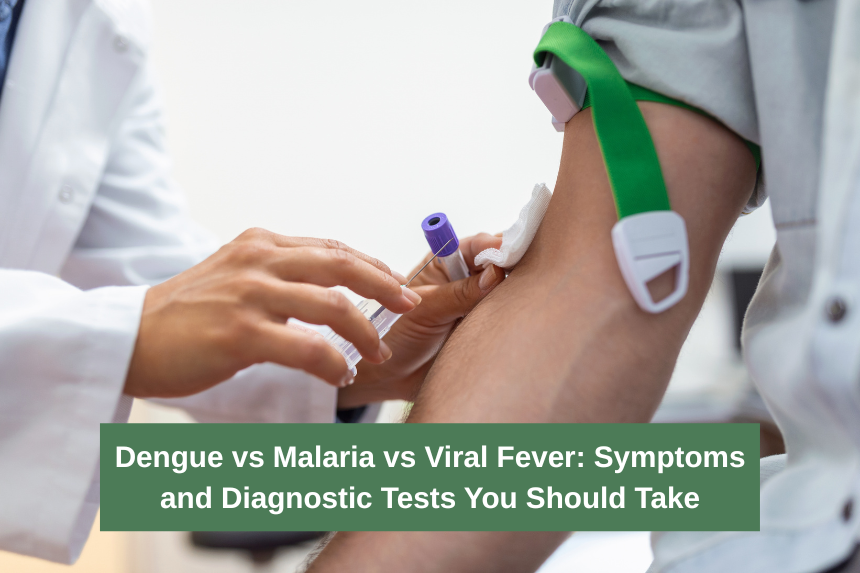
Getting fever can be confusing, especially when it comes with symptoms like body aches, fatigue, headaches, or chills. During the monsoon season and periods of changing weather, many people wonder whether they’re dealing with dengue, malaria, or simply a viral infection.
The challenge is that these illnesses often begin in a similar way. In the first few days, symptoms can overlap so much that it becomes difficult to identify the exact cause without proper medical evaluation.
According to healthcare professionals, symptoms alone are often not enough to distinguish between these conditions. This is why doctors may recommend laboratory testing when a fever persists, worsens, or is accompanied by warning signs.
What Is the Difference Between Dengue, Malaria, and Viral Fever?
Although all three conditions can cause fever, they have different causes and require different approaches to treatment.
Dengue vs malaria vs viral fever is a common comparison because patients frequently experience similar early symptoms such as fever, weakness, headache, and body pain.
Dengue is caused by a virus transmitted through the bite of infected female Aedes mosquitoes. Malaria is caused by parasites spread through infected female Anopheles mosquitoes. Viral fever is a broader term used to describe fever caused by various viral infections, including seasonal viruses.
Because the treatment and monitoring requirements vary significantly, healthcare providers often rely on diagnostic testing rather than symptoms alone to confirm the diagnosis.
How Can You Identify the Symptoms Early?
Recognizing symptoms early can help you seek medical attention at the right time.
Common dengue symptoms include high fever, severe headache, pain behind the eyes, muscle and joint pain, fatigue, and skin rashes. Some patients also experience nausea and loss of appetite.
Typical malaria symptoms often occur in cycles and may include fever with chills, excessive sweating, headache, weakness, nausea, and body aches.
Common viral fever symptoms include fever, sore throat, cough, runny nose, mild body pain, and general fatigue.
While these symptoms may appear similar, doctors look for patterns, severity, travel history, local outbreaks, and laboratory findings before making a diagnosis.
Our doctors will also guide you on how frequently you should undergo a full body checkup to monitor deficiencies and detect any underlying health issues early.
When Should You Get a Blood Test?
Many people wait several days before seeking medical advice, assuming the fever will improve on its own. However, persistent fever should never be ignored.
A blood test may be recommended if:
- Fever lasts more than 48–72 hours
- Chills and sweating become frequent
- Severe weakness develops
- Headaches become intense
- There are signs of dehydration
- Symptoms continue despite medication
Early testing helps doctors identify the underlying cause and begin appropriate treatment sooner. Essential blood tests everyone should know include routine screenings like CBC, blood sugar, lipid profile, and vitamin levels, as they help detect hidden health issues early.
What Do Blood Test Results Reveal About Dengue, Malaria, and Viral Fever?
One of the most common questions patients ask is how doctors can tell these illnesses apart.
Laboratory testing provides important answers.
For dengue, doctors may recommend NS1 Antigen testing, IgM and IgG antibody tests, along with monitoring platelet count and hematocrit levels. A falling platelet count may require closer observation depending on the patient’s condition.
For malaria, blood smear examinations and malaria antigen tests help detect the parasite responsible for the infection.
For viral fever diagnosis, laboratory investigations often help rule out dengue, malaria, bacterial infections, and other conditions with similar symptoms.
This is why reliable medical diagnostic services play an important role in fever management. Accurate results help healthcare providers make informed decisions and avoid unnecessary delays in treatment.
That’s why regular health checkups are important, as they help monitor overall health and ensure timely detection of deficiencies like vitamins and other essential nutrients, supporting long-term well-being and prevention of health issues.
When Should You Seek Immediate Medical Attention?
While many fevers improve with rest, hydration, and medical care, certain symptoms should never be ignored.
Seek urgent medical attention if you experience:
- Severe abdominal pain
- Persistent vomiting
- Difficulty breathing
- Unusual drowsiness or confusion
- Bleeding from the gums or nose
- Blood in vomit or stools
- Seizures
- Loss of consciousness
In dengue, warning signs such as bleeding, severe abdominal pain, or a significant drop in platelet count may indicate a more serious condition. Severe malaria can affect vital organs and may require immediate treatment.
How to Boost Your Immunity Naturally During Fever Recovery?
Recovery often takes longer than people expect.
Even after the fever subsides, many individuals may continue to experience weakness and fatigue for several days. Doctors advise adequate rest, hydration, balanced nutrition, and proper follow-up care, which can help you boost your immunity naturally.
Focus on:
- Drinking enough fluids
- Eating nutrient-rich foods
- Getting sufficient sleep
- Avoiding strenuous physical activity until recovery is complete
- Following your doctor’s advice regarding medications and follow-up tests, at Apple Diagnostics we also help you choose the best health checkup packages so you can monitor your health at regular intervals and stay proactive about your well-being.
How to Choose the Right Diagnostic Center for Accurate Medical Tests?
Accurate diagnosis begins with accurate testing.
When choosing a diagnostic center, consider factors such as laboratory quality standards, experienced healthcare professionals, modern testing technology, and timely reporting.
A trusted provider should offer comprehensive pathology lab services and reliable fever-related testing under one roof. This helps ensure a smoother experience for both patients and healthcare providers.
Get Accurate Fever Testing at Apple Diagnostics
When symptoms overlap, guessing can delay the right treatment. Timely testing helps healthcare providers identify the cause of fever and recommend the most appropriate care plan.
At Apple Diagnostics, patients have access to advanced testing facilities, experienced laboratory professionals, and dependable medical diagnostic services designed to support accurate and timely diagnosis.
Whether your doctor recommends dengue screening, malaria testing, or a broader fever evaluation, Apple Diagnostics offers trusted pathology lab services & also health checkup packages that help patients make informed healthcare decisions. If you or a family member is experiencing persistent fever symptoms, consulting a healthcare professional and getting tested early can provide clarity, reassurance, and the right path toward recovery.