

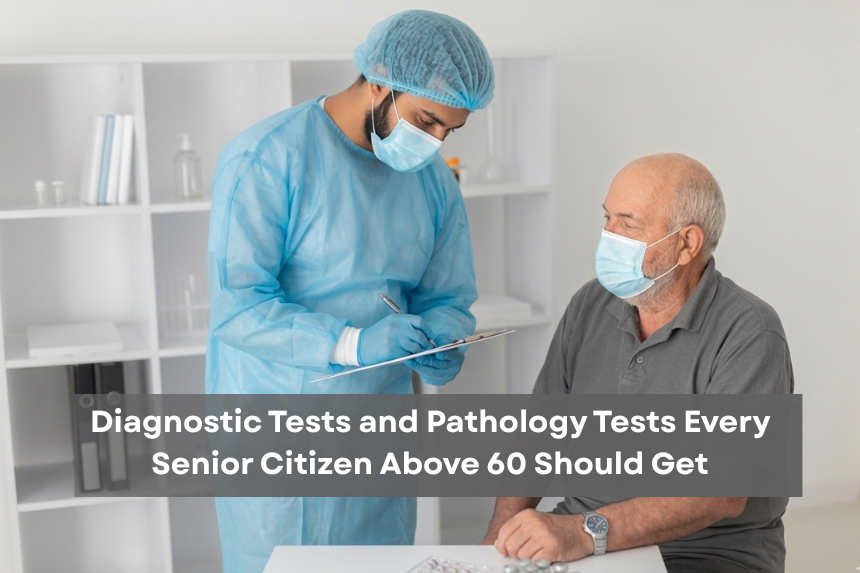
Getting older often means a greater focus on health. Many people above 60 continue to stay active, travel, spend time with family, and enjoy their daily routines. However, aging can also increase the risk of certain health conditions that may not show obvious symptoms in the beginning.
Conditions such as high blood pressure, diabetes, thyroid disorders, kidney problems, and nutritional deficiencies can develop gradually over time. In many cases, people feel perfectly fine until a routine test reveals an underlying issue.
That’s why doctors encourage regular health screenings for older adults. A timely health checkup for senior citizens can help detect potential concerns early, monitor existing conditions, and support healthier, more independent living in the years ahead.
Why Is a Regular Health Checkup Important After the Age of 60?
As the body ages, it naturally undergoes changes that can affect different organs and systems. The risk of chronic conditions tends to increase, and recovery from illness may take longer than it did in earlier years.
Many senior citizens assume that if they feel fine, there is no need for testing. However, doctors often point out that several health conditions can remain silent for years before symptoms appear.
Regular screenings allow healthcare providers to monitor important health indicators and detect changes before they become serious. A routine senior citizen health checkup for female and male can help track blood sugar levels, cholesterol, kidney function, liver health, and other important markers that contribute to overall well-being.
More importantly, preventive healthcare can help reduce the likelihood of complications and support a better quality of life.
What Health Conditions Become More Common in Senior Citizens?
Certain health conditions become more common as people grow older.
These may include:
- Diabetes
- High blood pressure
- Heart disease
- Thyroid disorders
- Kidney disease
- Osteoporosis
- Vitamin D and Vitamin B12 deficiencies
- Anaemia
- High cholesterol
Many of these conditions develop slowly and may not cause obvious symptoms during the early stages.
For example, a person may have elevated blood sugar or cholesterol levels for years without noticing any major changes. Similarly, deficiencies in vitamins and minerals can lead to fatigue, weakness, poor immunity, and bone-related concerns over time.
Regular monitoring helps ensure that these conditions are identified and managed before they begin affecting daily life.
Which Diagnostic Tests and Pathology Tests Should Every Senior Citizen Get?
Doctors often recommend a combination of diagnostic tests for senior citizens and routine laboratory investigations to assess overall health.
Some of the most commonly recommended tests include:
– Complete Blood Count (CBC)
A CBC helps evaluate overall health and can detect infections, anaemia, and other blood-related conditions.
– Blood Sugar Testing
Monitoring blood sugar levels is important for identifying diabetes and prediabetes, both of which become more common with age.
– Lipid Profile
Lipid profile test measures cholesterol and triglyceride levels, helping assess the risk of heart disease and stroke.
– Kidney Function Tests (KFT)
Kidney health can gradually decline with age. Regular testing helps identify potential issues before symptoms appear.
– Liver Function Tests (LFT)
These tests evaluate liver health and can detect abnormalities that may require further medical attention.
– Thyroid Function Tests
Thyroid disorders are relatively common among older adults and can affect energy levels, metabolism, and overall well-being.
– Vitamin D and Vitamin B12 Tests
Nutritional deficiencies are frequently seen in older adults and may contribute to fatigue, weakness, and bone health concerns.
– Urine Analysis
A simple urine test can help detect urinary tract infections, kidney problems, and other underlying health conditions.
These are among the most important blood & pathology tests for elderly individuals and are often included as part of a comprehensive health screening program.
How Often Should Seniors Undergo Preventive Health Screening?
One of the most common questions people ask is how often health screenings should be performed after the age of 60.
For most healthy adults, doctors generally recommend an annual health checkup. However, individuals with diabetes, hypertension, heart disease, thyroid disorders, or other ongoing medical conditions may require more frequent monitoring.
A preventive health screening for seniors twice a year helps establish a clear picture of overall health and allows healthcare providers to identify changes over time.
Regular monitoring can also help evaluate whether medications, lifestyle changes, or treatment plans are working effectively.
What Warning Signs Should Never Be Ignored After 60?
While routine screenings are important, certain symptoms should never be overlooked.
Consult a healthcare professional if you experience:
- Unexplained weight loss
- Persistent fatigue
- Frequent dizziness
- Chest discomfort
- Shortness of breath
- Changes in vision
- Memory concerns
- Swelling in the legs
- Changes in urination patterns
- Unusual weakness
These symptoms do not always indicate a serious condition, but they should be properly evaluated to rule out underlying health concerns.
Early medical attention often leads to better treatment outcomes and can help prevent complications. Similarly, choosing the right full-body health checkup package is an important step in preventive healthcare.
How to Choose the Right Diagnostic Center for Senior Citizen Health Checkups?
The quality of testing plays an important role in healthcare decision-making.
When selecting a diagnostic center, it is important to consider factors such as accuracy, technology, experienced professionals, and timely reporting.
A trusted facility should offer comprehensive medical diagnostic services, modern laboratory equipment, and a wide range of health screening options tailored to different age groups.
At Apple Diagnostics, senior citizens have access to comprehensive health screening packages, advanced laboratory testing, and reliable healthcare support. The focus is not only on identifying health concerns but also on encouraging preventive healthcare and long-term wellness.
For individuals looking for dependable diagnostic services in Mumbai, choosing a center that prioritizes quality, accuracy, and patient care can make a meaningful difference.
Book a Comprehensive Senior Citizen Health Checkup at Apple Diagnostics
Good health is one of the most valuable investments we can make, especially as we grow older.
Regular screenings help detect potential health concerns early, support timely treatment, and provide greater peace of mind for both senior citizens and their families.
At Apple Diagnostics, we offer comprehensive health screening solutions designed to support healthy ageing and preventive care. From routine blood investigations to specialized health assessments, our team is committed to delivering accurate and dependable results.
Whether you’re planning a routine health checkup for senior citizens or looking for trusted medical diagnostic services, Apple Diagnostics is here to support your healthcare journey with reliable testing and patient-focused care.