

High blood pressure, also known as hypertension, is one of the most common health conditions affecting adults today. What makes it particularly concerning is that it often develops without obvious symptoms. Many people feel completely normal and only discover they have elevated blood pressure during a routine health checkup.
Because hypertension can quietly affect important organs such as the heart, kidneys, brain, and eyes, doctors often refer to it as a “silent” health condition. This is why regular hypertension screening and timely hypertension diagnosis are important for maintaining long-term health.
If you have been diagnosed with hypertension or are at risk of developing it, understanding which tests may be recommended can help you stay proactive about your health.
Why Should High Blood Pressure Never Be Ignored?
Many people assume that if they feel fine, their blood pressure cannot be causing any harm. Unfortunately, that isn’t always the case.
Over time, uncontrolled high blood pressure can place extra strain on blood vessels and vital organs. This damage often happens gradually and may go unnoticed for years. By the time symptoms appear, complications may already have developed.
The good news is that regular monitoring and appropriate medical care can help reduce these risks. A simple blood pressure check and routine health assessment can provide valuable information about your overall cardiovascular health.
What Health Risks Are Associated with Uncontrolled Hypertension?
When left unmanaged, hypertension can increase the risk of several serious health conditions.
One of the biggest concerns is heart disease. Persistently high blood pressure can force the heart to work harder than normal, increasing the risk of heart attacks, heart failure, and other cardiovascular problems.
Hypertension can also affect kidney function, damage blood vessels in the eyes, and increase the likelihood of stroke. In some cases, individuals may not realize any damage is occurring until routine testing reveals an underlying issue.
This is one reason why doctors often recommend regular heart health screening and follow-up evaluations for people living with hypertension.
Important Tests for Hypertension Diagnosis
A diagnosis of hypertension is rarely based on a single reading. Doctors typically use a combination of assessments and investigations to confirm high blood pressure and evaluate its impact on overall health.
1. Blood Pressure Measurement
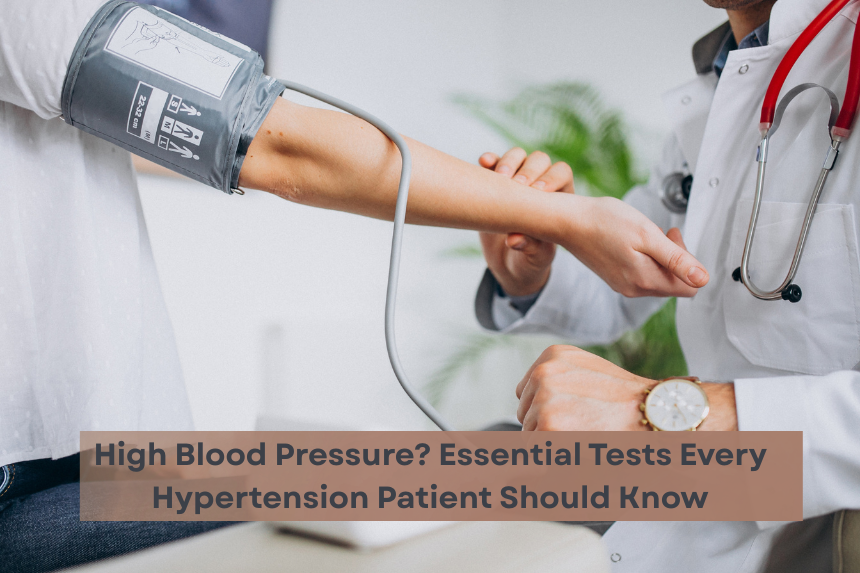
This is usually the first step in identifying hypertension. Blood pressure may be checked during routine doctor visits or as part of a hypertension health checkup.
Because blood pressure can fluctuate throughout the day, doctors may recommend multiple readings taken over time before confirming a diagnosis.
2. Physical Examination
A physical examination helps doctors assess overall health and identify factors that may contribute to high blood pressure.
Your doctor may review your medical history, family history, weight, lifestyle habits, and any symptoms you may be experiencing. This information helps provide a clearer picture of your cardiovascular risk.
3. Blood Tests
Blood investigations play an important role in evaluating overall health and identifying conditions that may be associated with hypertension.
Common blood tests may include blood sugar levels, cholesterol testing, kidney function assessments, and other markers that help evaluate cardiovascular health. Many individuals undergoing hypertension screening are also advised to have a routine blood test in Mumbai or their local area as part of a comprehensive assessment.
4. Urine Test
A urine test can help detect signs of kidney damage, which is sometimes associated with long-term hypertension.
Doctors may also use urine testing to identify certain medical conditions that can contribute to elevated blood pressure levels.
5. Electrocardiogram (ECG or EKG)
An ECG records the electrical activity of the heart and helps identify abnormalities in heart rhythm or signs of heart strain.
For individuals with longstanding hypertension, an ECG can provide useful information about how the heart may be responding to increased workload.
6. 24-Hour Ambulatory Blood Pressure Monitoring
Some people experience elevated blood pressure only in certain situations, such as during medical appointments. Others may have normal readings in a clinic but elevated blood pressure throughout the day.
A 24-hour ambulatory monitor measures blood pressure at regular intervals while you continue your normal daily activities, providing a more complete assessment.
7. Echocardiogram (Echo)
An echocardiogram uses ultrasound technology to create images of the heart.
Doctors may recommend this test when they want to evaluate heart structure and function more closely, particularly if hypertension has been present for several years.
8. Doppler Ultrasound
A Doppler ultrasound helps assess blood flow through arteries and blood vessels.
In some cases, this investigation may be recommended when doctors need additional information about circulation or potential vascular complications associated with hypertension.
How Often Should You Get a Hypertension Health Checkup?
The answer depends on several factors, including age, medical history, and individual risk level.
For many adults, an annual hypertension health checkup may be appropriate. However, people who have already been diagnosed with hypertension often require more frequent monitoring based on their doctor’s recommendations.
Earlier or more regular screening may be particularly important for individuals who:
- Have a family history of hypertension or heart disease
- Are overweight or living with obesity
- Smoke or use tobacco products
- Have diabetes or high cholesterol
- Lead a sedentary lifestyle
- Are above the age of 40
Regular preventive health screening helps track blood pressure trends over time and allows doctors to identify potential concerns before complications develop.
Get Comprehensive Hypertension Screening at Apple Diagnostics
Managing high blood pressure starts with understanding your health. Regular screening, timely testing, and ongoing monitoring can play an important role in reducing long-term health risks and supporting better cardiovascular health.
At Apple Diagnostics, we provide comprehensive medical diagnostic services, advanced pathology lab services, and preventive health assessments designed to support accurate hypertension diagnosis and long-term wellness.
Whether you require a routine blood pressure check, a blood test in Mumbai, or a complete heart health screening, our experienced team is committed to delivering reliable results and quality patient care.
As a trusted diagnostic center in Mumbai, Apple Diagnostics offers comprehensive screening solutions to help individuals stay informed about their health and make confident healthcare decisions.