

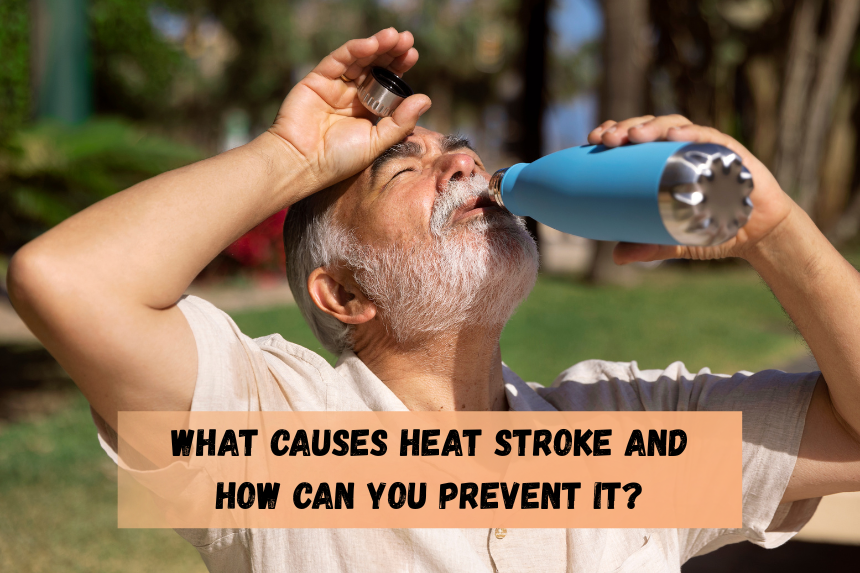
Most people think heat stroke only happens when someone spends hours in direct sunlight. But during extreme summer weather, even daily travel, dehydration, or outdoor work can sometimes affect the body more seriously than expected.
It often starts with simple symptoms like tiredness, dizziness, or headaches. Because these signs feel common during summer, many people ignore them in the beginning. But when the body becomes too overheated and cannot cool itself properly, it can lead to heat stroke.
At Apple Diagnostics, many people visit during peak summer months for a blood test or other health concerns related to dehydration, weakness, headaches, and heat exhaustion. In many cases, timely diagnostic tests and early care help identify the problem before it becomes more serious.
What Is Heat Stroke?
Heat stroke is a condition where the body temperature rises dangerously high because the body is unable to cool itself down.
Normally, sweating helps regulate body temperature. But excessive heat, dehydration, or long hours outdoors can sometimes overwhelm the body’s natural cooling system.
Unlike regular summer tiredness, heat stroke can become serious very quickly. In some cases, it may affect important organs like the brain, kidneys, muscles, and heart.
The risk is usually higher in:
- Elderly individuals
- Young children
- Outdoor workers
- Athletes
- People with diabetes or heart conditions
One common mistake people make is assuming they only need to worry about heat stroke when temperatures become unbearable. In reality, dehydration and continuous heat exposure can slowly build up over time.
Causes and Risk Factors in Summer
One of the biggest reasons behind heat stroke is not drinking enough fluids during hot weather.
Many people stay outdoors for long hours without realizing how much water the body loses through sweating. By the time thirst becomes noticeable, dehydration may have already started affecting the body.
Some common risk factors include:
– Spending Long Hours Outdoors
Construction workers, delivery personnel, athletes, and people who travel frequently in the heat are naturally more vulnerable.
– Dehydration
Not drinking enough water or electrolytes during summer can affect the body’s ability to regulate temperature.
– Heavy Physical Activity
Exercise or intense work during peak afternoon hours increases body heat quickly.
– Existing Health Conditions
People with diabetes, obesity, kidney disease, or high blood pressure may find it harder to tolerate extreme heat.
This is why Regular Health Checkups Are Important, especially during summer months, as they can help detect dehydration, fatigue, and other heat-related health concerns early at a trusted diagnostic center.
Symptoms of Heat Stroke You Should Not Ignore
The body usually gives warning signs before heat stroke becomes severe. The problem is that these symptoms are often mistaken for regular exhaustion.
Some symptoms to watch for include:
- Dizziness or fainting
- Severe headache
- Muscle cramps
- Nausea or vomiting
- Weakness or unusual fatigue
- Rapid heartbeat
- Hot or flushed skin
- Confusion or difficulty concentrating
In severe cases, a person may become disoriented or unconscious.
If symptoms continue even after resting and drinking water, medical attention should not be delayed. Proper evaluation through medical diagnostic services may help identify dehydration, electrolyte imbalance, or heat-related stress on the body.
How to Prevent Heat Stroke: Simple Summer Safety Tips
Heat stroke is often preventable with a few practical precautions.
– Stay Hydrated Throughout the Day
One of the simplest ways to protect yourself is by drinking water regularly. Waiting until you feel thirsty is usually not the best idea during extreme heat.
– Avoid Peak Afternoon Heat
The hottest part of the day is generally between 12 PM and 4 PM. Limiting outdoor exposure during these hours can help reduce risk.
– Wear Light Clothing
Loose cotton clothes help air circulate and allow the body to cool naturally.
– Take Breaks if You Work Outdoors
Even short breaks in a shaded or cooler area can make a difference.
– Eat Lighter Meals
Heavy and oily foods may leave the body feeling more exhausted during summer.
Many people also choose preventive health check up packages during seasonal changes to keep track of their overall health.
Best Foods and Hydration Tips to Avoid Heat Stroke
Diet plays a bigger role in summer health than most people realize.
Foods with high water content like watermelon, cucumber, muskmelon, oranges, and coconut water help maintain hydration naturally. Buttermilk and yogurt are also great during hot weather, and adding foods that help boost your immune system can further support your body during extreme summer conditions.
At the same time, too much caffeine, alcohol, or sugary soft drinks may increase dehydration.
Another thing people often overlook is electrolyte balance. Excessive sweating can reduce important minerals in the body, leading to weakness, cramps, or dizziness.
At Apple Diagnostics, preventive healthcare support also focuses on helping individuals understand how hydration and nutrition affect overall wellness during extreme weather.
Blood Tests for Heat Stroke: When Should You Get Tested?
In mild cases, proper rest and hydration may help recovery. But if symptoms continue, doctors may recommend certain tests and health checkups to check whether heat exposure has affected the body internally.
Commonly recommended summer health checkup tests may include:
- Complete Blood Count (CBC)
- Electrolyte testing
- Kidney function tests
- Liver function tests
- Blood sugar testing
Choosing the best diagnostic tests center can help detect dehydration-related complications early.
People experiencing repeated fatigue, dizziness, headaches, or weakness after heat exposure may also benefit from a timely blood test in Mumbai or preventive health screening.
Some individuals prefer a full body checkup in Mumbai service to monitor their overall health during summer.