

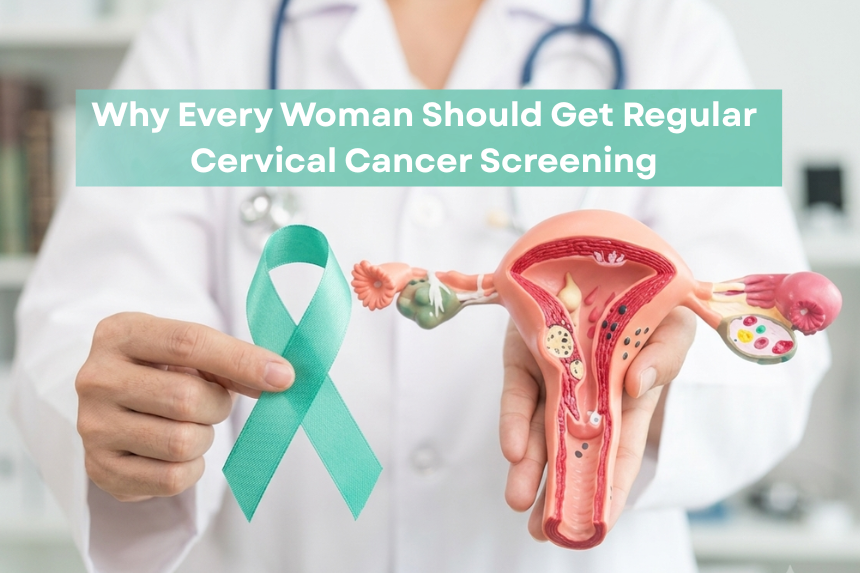
Ask most women when they last scheduled a preventive health screening, and many will admit it has been longer than they intended. Between work, family responsibilities, and everyday commitments, routine health checkups are often postponed, especially when there are no obvious symptoms.
The challenge is that some health conditions develop quietly. Cervical cancer is one of them. In its early stages, abnormal cervical cell changes may not cause pain, discomfort, or noticeable symptoms. This is one reason healthcare professionals continue to emphasize the importance of regular cervical cancer screening.
At Apple Diagnostics, many women visit for routine health screenings and are often surprised to learn that preventive tests can identify potential concerns long before symptoms appear. Early screening remains one of the most effective tools available for protecting long-term health.
What Is Cervical Cancer?
Cervical cancer develops in the cervix, the lower part of the uterus that connects to the vagina. Most cases are linked to persistent infection with certain high-risk strains of the Human Papillomavirus (HPV).
HPV is a common virus, and many women may be exposed to it during their lifetime. In most situations, the body’s immune system clears the infection naturally. However, when high-risk HPV infections persist for several years, they can gradually cause abnormal changes in cervical cells.
Without appropriate monitoring, these abnormal cells may progress into cervical cancer over time. This is why regular cervical cancer screening tests are considered an important part of preventive healthcare for women.
Why Is Early Detection of Cervical Cancer Important?
One question healthcare providers often hear is, “If I feel healthy, do I still need a screening test?”
The answer is usually yes.
Unlike some medical conditions that produce immediate symptoms, cervical cancer can develop slowly. Many women experience no noticeable warning signs during the early stages, which means relying on symptoms alone may delay diagnosis.
Regular cervical cancer screening can help identify abnormal cell changes before they become cancerous. Detecting these changes early often allows for simpler treatment and better outcomes.
Healthcare professionals at Apple Diagnostics frequently advise women that preventive screening is most valuable before symptoms develop. The goal is not simply to detect cancer but to identify potential concerns at a stage when intervention is often most effective.
Who Should Get a Cervical Cancer Screening Test?
Many women assume cervical cancer screening is only necessary later in life. However, screening recommendations often begin much earlier than many people realize.
Women should discuss screening schedules with their healthcare provider based on their age, medical history, and individual risk factors.
Regular screening may be particularly important for:
- Women aged 21 years and older
- Women between 30 and 65 years of age
- Women with a history of HPV infection
- Women with weakened immunity
- Smokers
- Women with a family history of gynecological cancers
- Women who have never undergone routine cervical screening
- Women who have delayed preventive health checkups for several years
The right screening schedule can vary from person to person, making individualized medical guidance important.
Common Tests Used for Cervical Cancer Screening
Several screening methods help evaluate cervical health and support the early detection of cervical cancer.
1. Pap Smear Test
The Pap smear test remains one of the most widely recommended screening tools for cervical cancer prevention.
During the procedure, a small sample of cervical cells is collected and examined for abnormalities. The test is usually quick and can often be completed during a routine health visit.
Many women are surprised to learn that a Pap smear can identify abnormal cell changes years before cancer develops, making it one of the most effective preventive screening methods available today.
2. HPV Test
An HPV test checks for high-risk strains of HPV that are known to increase the risk of cervical cancer.
Depending on age and screening recommendations, an HPV test may be performed alongside a Pap smear. Detecting high-risk HPV infections early allows healthcare providers to monitor cervical health more closely and recommend follow-up care when necessary.
At Apple Diagnostics, preventive screening services help women stay informed about their health and make proactive healthcare decisions before symptoms arise.
3. Follow-Up Testing When Recommended
If abnormalities are identified during a cervical cancer screening test, additional evaluation may sometimes be advised.
This does not automatically mean cancer is present. In many cases, follow-up testing simply provides a clearer understanding of the findings and helps determine whether further monitoring or treatment is required.
What Are the Early Signs and Symptoms of Cervical Cancer?
One of the reasons routine screening is so important is that symptoms often do not appear during the earliest stages of cervical cancer.
However, there are certain warning signs that should never be ignored.
Possible cervical cancer symptoms include:
- Bleeding between menstrual periods
- Bleeding after intercourse
- Bleeding after menopause
- Persistent pelvic pain
- Pain during intercourse
- Unusual vaginal discharge
These symptoms can occur for several reasons and do not always indicate cervical cancer. However, any unusual changes should be discussed with a healthcare professional as soon as possible.
Other Women’s Health Screenings Important for Long-Term Health
Cervical cancer screening is just one part of maintaining overall health.
Depending on age, family history, and individual risk factors, women may also benefit from several other preventive screenings.
Important health screenings for women can include:
- Breast cancer screening and mammography
- Thyroid function testing
- Blood sugar screening
- Cholesterol testing
- Bone health assessments
- Routine preventive health checkups
In addition to cervical cancer screening, Apple Diagnostics offers a range of preventive screening services designed to support women’s health at different stages of life. Regular screening helps provide a broader picture of overall well-being and can identify potential concerns before they begin affecting daily life.
Common Myths About Cervical Cancer Screening
“I don’t have symptoms, so I don’t need a test.”
This is one of the most common misconceptions. Screening is designed to detect abnormalities before symptoms appear, not after.
“I’m healthy, so I’m not at risk.”
Feeling healthy is encouraging, but many cervical cell changes occur without obvious warning signs. Routine screening helps identify hidden concerns early.
“A Pap smear is only needed for older women.”
Screening recommendations often begin much earlier than many women expect. Speaking with a healthcare provider can help determine the most appropriate schedule.
Book Your Women’s Health Screening at Apple Diagnostics
Many women only consider screening after a health concern develops or when encouraged by a doctor, friend, or family member. However, preventive healthcare is often most effective when you feel completely healthy.
Regular cervical cancer screening, timely Pap smear tests, and appropriate HPV testing can play an important role in cervical cancer prevention and the early detection of cervical cancer.
At Apple Diagnostics, we provide comprehensive medical diagnostic services, reliable pathology lab services, and preventive screening solutions designed to support women’s health. Whether you are looking for a women’s cancer test checkup, a women’s health screening package, or a routine health checkup in Mumbai, our team is committed to delivering accurate and dependable diagnostic care.
As a trusted diagnostic center in Mumbai, Apple Diagnostics helps women take a proactive approach to their health through timely screening, preventive care, and informed healthcare decisions.