

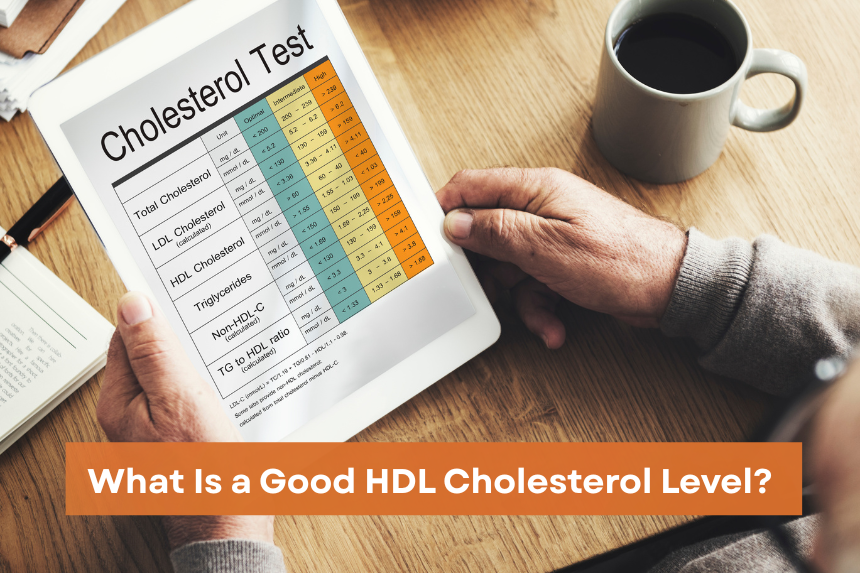
When you receive your cholesterol test report, it’s easy to focus on the total cholesterol number. However, one value that’s equally important is your HDL cholesterol. Often referred to as the “good cholesterol,” HDL plays a key role in protecting your heart and reducing the risk of cardiovascular disease.
Many people ask, “What is a good HDL cholesterol level?” or “Is my HDL level too low?” The answer depends on factors such as age, sex, overall health, and other cholesterol values.
Understanding your HDL cholesterol levels can help you make informed lifestyle choices and know when it’s time to consult a healthcare professional. Regular screening through a lipid profile test is one of the simplest ways to monitor your heart health and detect potential risks early.
What Is HDL Cholesterol and Why Is It Important for Heart Health?
HDL stands for High-Density Lipoprotein, commonly known as good cholesterol.
Unlike LDL (Low-Density Lipoprotein), which can contribute to plaque buildup inside arteries, HDL helps remove excess cholesterol from the bloodstream. It transports cholesterol back to the liver, where it can be processed and eliminated from the body.
Because of this protective function, healthy HDL cholesterol levels are associated with a lower risk of heart attacks, strokes, and other cardiovascular diseases.
While HDL is beneficial, it is only one part of your overall cholesterol profile. Doctors usually evaluate HDL together with LDL, triglycerides, and total cholesterol to get a complete picture of your heart health.
What Is the Normal HDL Cholesterol Range for Men and Women?
There isn’t a single HDL value that’s considered ideal for everyone. However, healthcare professionals generally use these guidelines:
- Men: 40 mg/dL or higher
- Women: 50 mg/dL or higher
- 60 mg/dL or above: Considered protective against heart disease
If your HDL level falls below the recommended range, it may increase your risk of developing cardiovascular problems over time.
It’s important to remember that HDL cholesterol normal range is only one aspect of your cholesterol report. Someone with a healthy HDL level may still require treatment if their LDL cholesterol or triglycerides are significantly elevated.
Rather than interpreting your report on your own, discuss your HDL cholesterol levels with your doctor, who can evaluate them alongside your overall health, family history, and lifestyle.
What Factors Can Affect Your HDL Cholesterol Levels?
Several everyday habits and medical conditions can influence your HDL cholesterol.
Some of the most common factors include:
- Lack of regular physical activity
- Smoking or tobacco use
- Being overweight or obese
- Diets high in processed and trans fats
- Type 2 diabetes
- Genetic factors
- Advancing age
The good news is that many of these factors are manageable.
Regular exercise, maintaining a healthy weight, eating foods rich in healthy fats like nuts, seeds, olive oil, and fatty fish, and avoiding smoking can gradually improve HDL cholesterol in many individuals.
Rather than relying on supplements or internet advice, it’s always best to understand your cholesterol profile through appropriate testing and medical guidance.
Which Blood Test Measures HDL Cholesterol?
HDL cholesterol isn’t measured through a separate test. Instead, it is included as part of a lipid profile test, one of the most commonly recommended cholesterol blood tests.
A standard lipid profile test measures:
- HDL cholesterol
- LDL cholesterol
- Total cholesterol
- Triglycerides
- Cholesterol ratio (in some reports)
This simple blood test usually requires fasting for several hours, depending on your doctor’s recommendation and the laboratory protocol.
Doctors may recommend a cholesterol test as part of:
- Annual health checkups
- Diabetes monitoring
- Hypertension management
- Heart disease screening
- Preventive healthcare
- Family history of high cholesterol
Regular cholesterol screening allows potential problems to be identified before symptoms develop, making treatment and lifestyle changes more effective.
How Often Should You Get a Cholesterol Test?
Many people assume cholesterol only needs to be checked after the age of 50. In reality, screening should begin much earlier for many individuals.
Healthy adults are generally advised to undergo a cholesterol test every four to six years. However, more frequent testing may be recommended if you have:
- Diabetes
- High blood pressure
- Obesity
- Existing heart disease
- A family history of high cholesterol or heart disease
- A history of smoking
Including a lipid profile test as part of your preventive health checkup helps monitor changes over time and provides an opportunity to make lifestyle adjustments before complications arise.
Many comprehensive health checkup packages also include cholesterol screening, making it convenient to evaluate multiple health parameters during a single visit.
Book Your Cholesterol Blood Test at Apple Diagnostics
Knowing your HDL cholesterol levels is an important step toward protecting your heart. Whether you’re monitoring an existing condition or simply staying proactive about your health, regular cholesterol screening can provide valuable insights into your cardiovascular risk.
At Apple Diagnostics, we offer reliable cholesterol blood tests, lipid profile tests, and comprehensive blood test services using advanced laboratory technology and stringent quality standards. As a trusted diagnostic center in Mumbai, we are committed to delivering accurate reports that help doctors make informed treatment decisions.
Our experienced team also provides a wide range of health checkup packages, preventive screenings, and advanced pathology services in Mumbai, making it convenient to manage your health under one roof.
If you’re due for a cholesterol test or planning a routine preventive health checkup, book your appointment with Apple Diagnostics today and take a proactive step toward better heart health.